Last Chapter of 2018

The end of the year gives way for a few thoughts.


Reflection:

We started our Instagram and blog three months ago on September 18th. In that time, we have made connections with other families, bloggers, librarians, illustrators, writers, and podcasts.

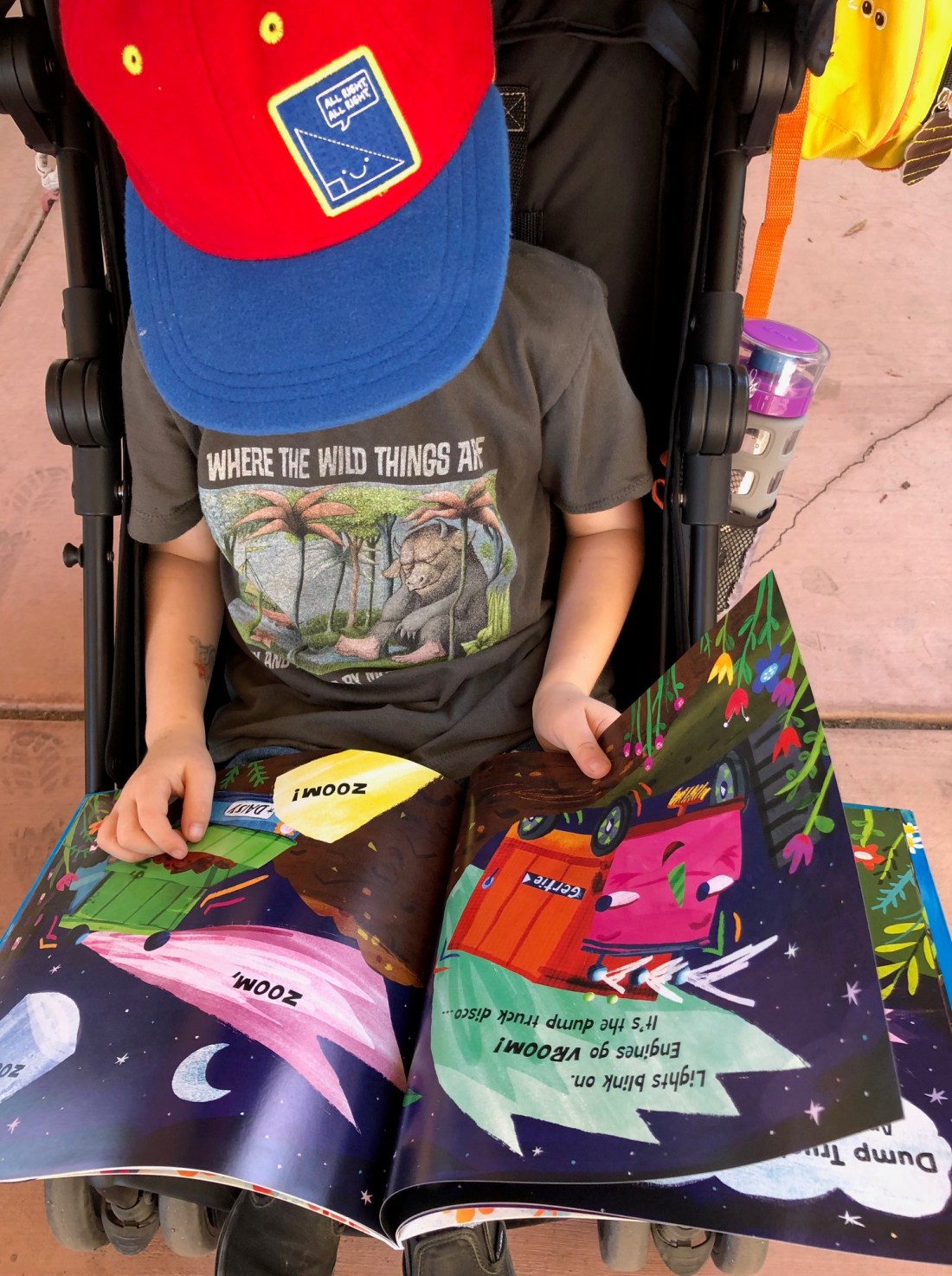
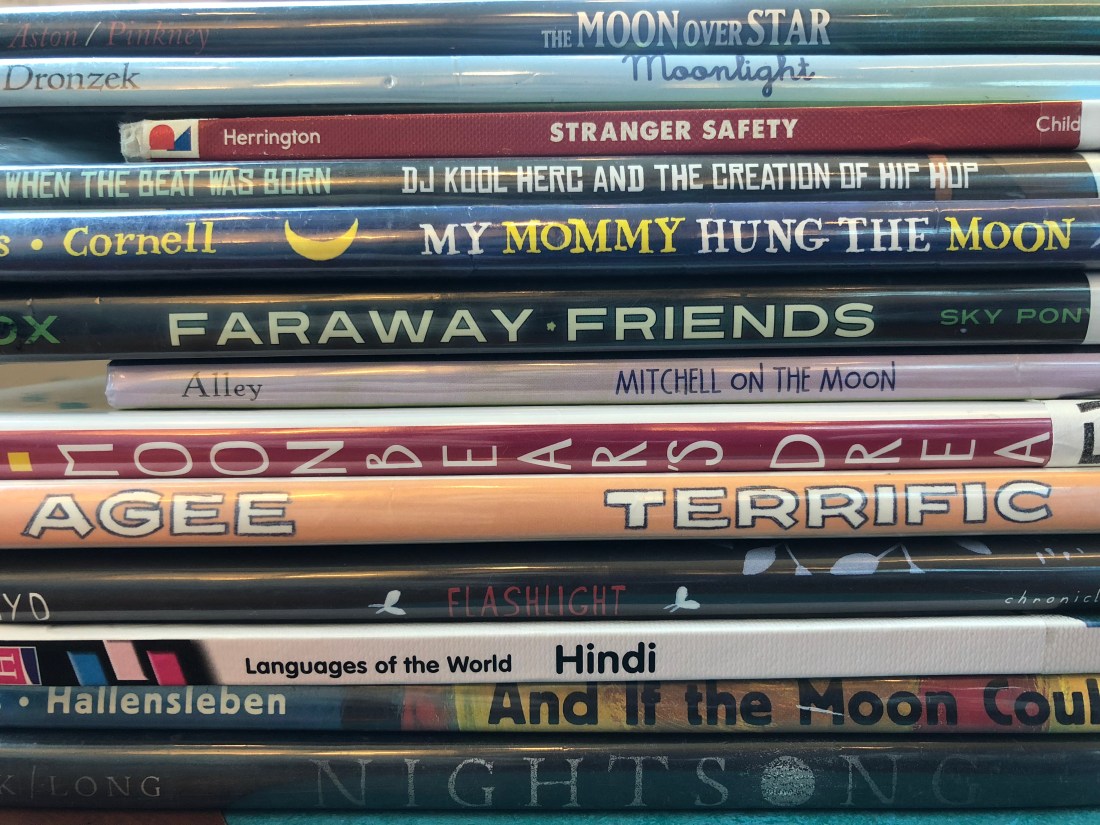
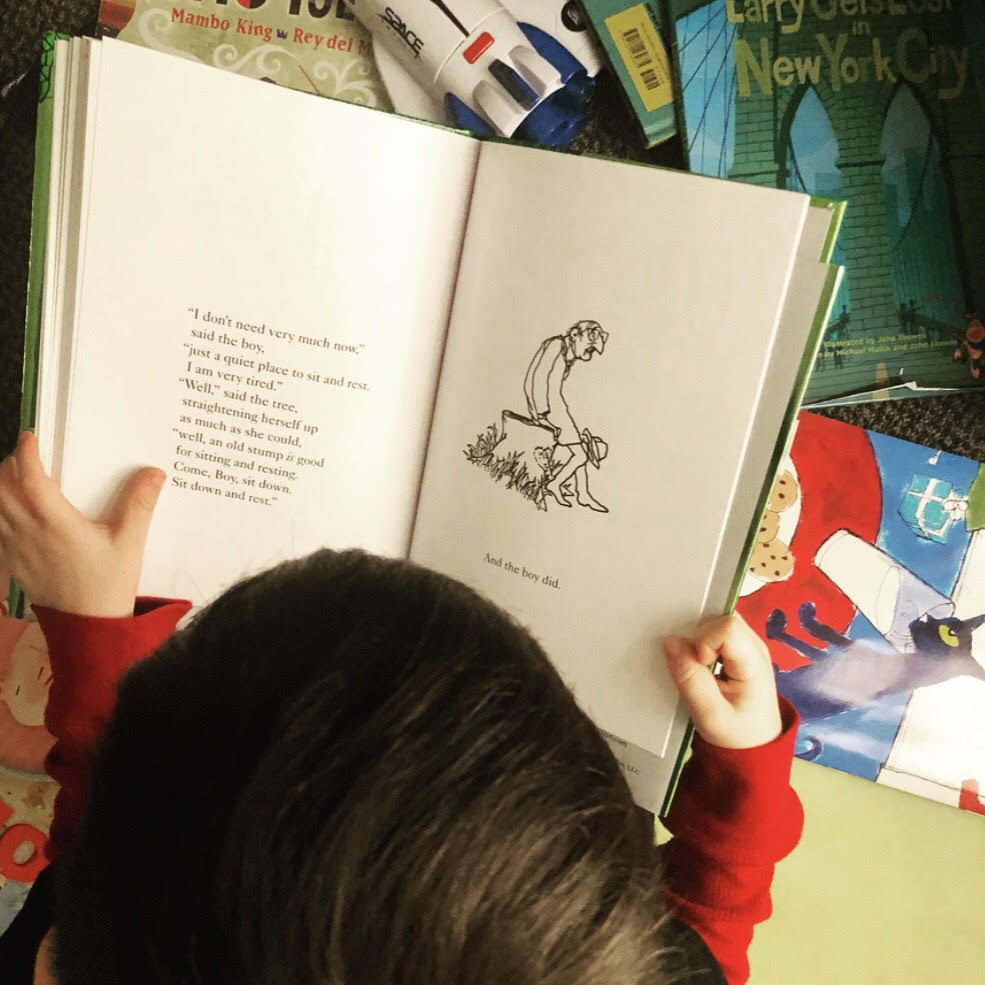
Our intention of sharing books we borrowed from the library was not about the quantity of the books, but about the quality time we enjoy reading together. But oddly enough, we did pause and reflect on just how many children’s books we borrowed and actually read. From September 18th to December 18th, we have read over 300 books. It seems like such a high number honestly. When I broke down the number, it averages to about three books a day. And although picture books are pretty easy to read, they only made up a percentage of the books we borrowed. Respectively we have learned a lot through these 300 books.  My son who is in preschool and is 4 and a half today has read 300 books in 3 months. I find this interesting because my son recalls with enthusiasm that Neil Armstrong read 100 books in the first grade. My son loves to read but access to an amazing library made this possible. 


Gratitude:

Thank you to the authors and illustrators that have sparked our interests in reading together. Thank you Palo Alto Library, especially the Mitchell Park Library.

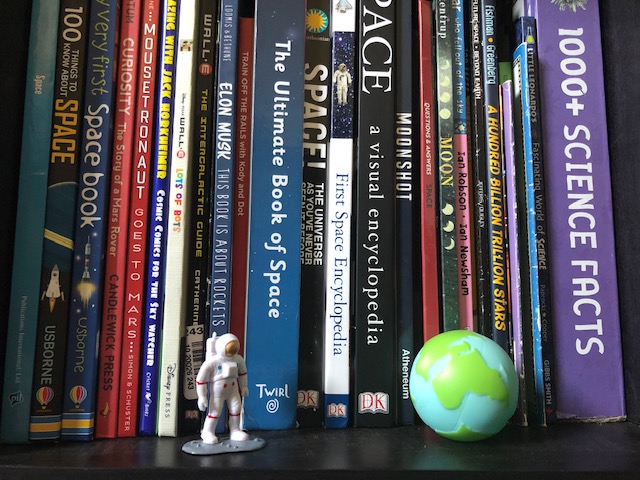
I want to thank NASA and SpaceX for igniting a passion in my son to read almost every space related book available. Thank you to all other children’s books related Instagram accounts, blogs, and podcasts. Thank you to the hyperlexia community for giving me the courage to share what an amazing journey my family has. Thank you to my son’s teachers and therapy team who sees that my son learns best when reading is utilized.


Planning:

We hope that in this next year our son continues to want to go to the library and wants to read as voraciously as he does now. We want this to be child led and by no means ran by any other agenda than reading for enjoyment. My son and I thought if we should try to make the goal to read 1,000 books next year or not. We decided to make it a loose goal, meaning no matter if the goal is reached, that we will still be happy. I meant to integrate my art teaching skills into the blog in 2018 and did not get around to it. My goal will be to attempt to do so in 2019. I did not have the time to review every book we read, partially because 300 book reviews in 3 months would make this journey way less fun for me right now. I am sure I will continue to learn new things and have new ideas in the new year.


Whether you added us to be book spammed on Instagram or read the monthly blog post, thank you for joining us. Hope it has been beneficial for you, your family, or your classroom.


Question: What would you like to see more of next year with our Instagram and Blog?
Check Out These Tips: Going to the Library

Steps we suggest to have a successful library outing. This is what works for us.

Before Leaving:

Plan and Verbalize it

  1. We typically go to the park or playground, then the library after breakfast on Fridays or after school on weekdays. This tends to work because of our routines and schedules. Also the library can be too busy on the weekends.
  2. Verbally prep your child of the intended agenda. For example: first we’re going to the park/playground and then we’re going to the library.
  3. Set expectations before leaving the house if walking, or getting out of the car/bus/subway. It is helpful to verbally explain what a safe and fun playground experience will be like, and that you’ll give a countdown before the transition to the library. Explain the rules of the library and why those rules are in place. Example: walking not running because you can get hurt and use library voice, not yelling, so everyone can focus on reading.
  4. Pack
    1. Library books that need to be returned (Some libraries have online records so you know which ones are due.)
    2. Snacks and water for you and kiddo
    3. Two reusable tote bags
    4. Hats (It can be sunny at the playground.)
    5. Noise reducing headphones (for playground or library- totally child dependent- you will already know if your child needs these)


First Stop – The Playground

  1. Going to a playground or park before the library helps get the wiggles out and can regulate little bodies. If your kiddos already climbed playground equipment they are possibly less likely to climb the bookshelves. It can be a welcomed transition from a bright, loud, and physical outdoor space to a quiet, calm indoor environment.
  2. If possible offer water or a snack on the way to the library. Unless your library has an outdoor space for snacking, you’ll want to go in with some food in tummies to avoid hangry reading or a child that just wants to leave because, hello, they are hungry.


Main Stop – The Library

  1. Return borrowed books with your child. Whether the return is digital or manual, engage your child to help. Either have them hold the return slot handle or feed the borrowed books into the machine. They will see first hand the full circle of borrowing from the library. They will see which books they’ve read and which are being returned. We’ve had some awesome conversations at the return slot. I get to hear which books he is going to miss and those he cannot wait to borrow again. Also silence about other books can speak volumes at that return slot.
  2. Give verbal reminders before walking in. For example: use library voice, walking, and the agenda in the library (restroom, book search, library computer time limit)
  3. Bathroom first. This might not apply to all ages but if you have babies, toddlers, or voracious readers, they still have bladders!
  4. Hit up those books. This is totally up to you or your child. Ask them ahead of time how they want to explore the library. Maybe tell them the types of books they can find and make a list of where those books are located. Child-led library trips are a blast by the way. Seeing what books they want with zero interference can be a chaotic joy.
  5. Water and snack break if needed.
  6. Let them know when it is time to check out books ahead of time.
  7. Engage your child to swipe the library card or hand the books over to be borrowed.


Pro-tip:

  1. Library trips don’t need to be long. The more enjoyable the short trips are, the more likely the trip duration will lengthen over time, and your kiddos will want to return.
  2. Think about your goal for the trip ahead of time. Placing too many expectations on your child isn’t super fair if it is their first time to the library. Is your goal to expose your child to literature? To spend quality time in a quiet place? Is it just an activity you and your child can do together?
  3. Try, try, try. It can take several attempts to become happy library flies. It’s alright if you have to leave before entering, and it’s alright to come back when stars align. Just try.
  4. Some kids need verbal reminders at their physical level. Yes, getting down to them. My son does not like eye contact and listens better when he isn’t looking right at me, but when I get down to his level, he seems to be able to focus and hear me better.


Question:

Do you limit the amount of books your child can borrow from the library?

checkitout

Long Story Short

If you know me personally then you have heard me say, “long story short”. It is never a short story, but I try. Someone asked to hear the story behind the blog name, and I am so happy to oblige.


We had left the library and on our way home we ran into my son’s classmate and his mom. We stopped to chat, and she took interest in what Grey was reading. She asked, “What did you borrow?” My son loudly proclaimed the title of the book: “MOON!!!” Later I was brainstorming some punny names for the blog, but this name fit my son best.


With that I dedicate this blog and our reading adventures to my son: The Boy Who Borrowed the Moon.


Questions for my readers: What time of day and day of the week do you prefer to go to the library?

IMG_5908

Kept Borrowed Saved

Here is how we determine how our books are kept, borrowed, or saved for later.


Kept – Home Library

Our son has been gifted amazing books. Some are new and some are well loved hand-me-downs.

Suggestion #1: It is crucial for us is to keep the books where he can easily access them, or they can be forgotten. His books fill a floor level bookshelf with no doors so he can always see them. This bookshelf is in his room to keep down on books becoming floor tiles in the living room. We do have a bin of board books near his bed that are easy bedtime reads too.

Suggestion #2: We rotate books. No, we do not turn them pages out and binding in. We take a quarter of his books, and we put them in the closet or garage and switch them out every so often. This keeps his bookshelf exciting and fun.

Suggestion #3: If we notice that particular books are not getting read, loved, or appreciated we try to bring them out and reintroduce them. If he shows no interest, I put them aside and try again later. If you know your child does not care for a book and you do not either, consider donating the book to a family, friend, or a local donation spot. Someone else will love the books.


Borrowed – Public Library

My son wakes up asking if we can go to the library after school. Often, after school, he cannot imagine missing library time. I love the time we spend there so we have some tips to make the most out of your experience.

Suggestion #1: Check your local libraries online catalog when you see a book that your child would love. My library has a website where you can log-in, place a hold on books, and create a “Save for Later” bookshelf list. This is key. When you put books on hold it may take time for the books to be ready for pick up. Also, if the books sit too long at pick-up or are forgotten some libraries may charge you.

When you see your child fall in love with a library book, and it is almost painful for them to return it then you can consider buying the book.

Suggestion #2: Tour the whole library with your child. Seeing older children and adults reading, will model the appropriate behavior for the library setting. Then take your child down all of the aisles of books in the children’s area. Like at the grocery store, point out different areas like you would food. For example, “Oh, this is where the books about people are, like Elon Musk” or, “this section is non-fiction; that means they are true stories with facts.”

Suggestion #3: Embrace the children’s computers that are loaded with educational games. I would set a time limit though. We have a tablet at home, but not a family computer for our son to practice typing.

Suggestion #4: Once you are back home, keep a bin of the library books that are separate from your home library. We keep ours in the living room, so it is in eyesight. This encourages our son to read his new books and helps us keep track of books that need to be returned.

Sensory Processing Suggestion: If your child has sensory sensitivities like our son, consider going when it is not Read Aloud Story time or crowded with children. We always bring our sons ear defenders (semi noise-canceling headphones), and it makes a huge difference. We also sit in the pre-teen area because he is usually quiet and less distracting with movement and sound.


Saved – Adding to the Home Library

So, after we tried it and loved it we decided to buy it. But what do you do when you the book is not available at your local library?

Suggestion #1: We first check the library website to find a book. If it is not at our library or cannot be sent from one nearby, I check Amazon. Hear me out first before you jump to conclusions. I have found it very helpful to find the book on Amazon and save it to a special book list. This way when we are at a second-hand bookstore or an adorable mom and pop bookstore, I have my list of titles and authors. Having a digital list with a picture of the cover is super helpful.

Suggestion #2: One book in, one book out – sort of. In theory this sounds great. You just brought home a book to keep so one should be donated. If that works for you, great, and if not, great. However we have found that our ebb and flow is much more organic, that is sometimes when you move homes there is a much larger ebb.


Questions for you: What is your method for selecting books for your child? Do you keep a “Save for Later” list? Do you put books on hold at your library?

IMG_5368

Hyperlexia – The First Chapter

Our son started reading independently when he was 2- 2.5 years old. Before I launch into that, I’d love to give some background.

When I was pregnant I taught art, Spanish, and Content Literacy Support. That is the fancy way to say that I assisted teaching kids to read. There was a chance that our son was listening in utero. I really did want our son to be a reader if I could help it. His baby shower was book themed, which resulted in an extensive library. One tradition we stuck with was that we read to our son before bed (nighttime and naptime). So it would be conservative to say that there was foundation and exposure to reading early on. We did visit the library before moving to the Bay Area, but now we frequent 1-3 times a week because it is walking distance.

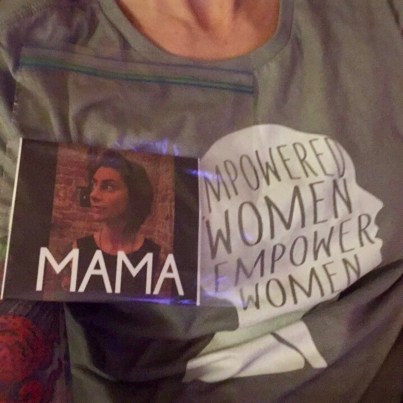
What did I mean by saying my son was reading alone without help when he was 2 years old? Pretty much we noticed he would read stop and exit signs, but we thought it was a coincidence. When I would point to letters asking him to tell me the letter name he gave me the letter sound instead. It was very unexpected and confused me. I mentioned above that I taught 5 year olds how to read right? So we never thought it was possible to read so young. When our son was 2 years and 6 months old his speech therapist suggested that he might be able to read. We had never heard the term hyperlexia before. At the time our son had a smaller vocabulary for his age, but when we realized he could read we labeled everything in our apartment. You name it: “door”, “open”, “chair”, “book.” There was something missing; I had not been called “Mama” yet. So I recieved a label too, which resembled an ID name tag with “Mama.” It took a couple weeks but he was roughly 2 years and 9 months old when he called out, “MAMA!” When you’ve been waiting to hear it, it is a moment you do not forget.

So that is the beginning of our story and part of the big picture as to why I am writing this blog. Hyperlexia opened a door for our son to find his voice and communicate with us and the world. We love reading and our son really loves reading. For the record, it has always been very fluid and easy going. We have never forced reading, and the only intervention we offer is help with words he mispronounces. We often find our son reading alone, and later he enthusiastically loves to retell the story or facts.

To learn more about hyperlexia please check out the following link. There are many more resources available online, but here is one blog I like: https://www.andnextcomesl.com/2015/01/what-is-hyperlexia-hypernumeracy.html

Questions for our readers: How often do you read? Do children see you reading? Had you heard of hyperlexia before reading this entry?

IMG_4631

This Blog is Overdue

WHO: A space loving four year old and his artsy mom.

WHAT: We are sharing our ongoing library list, reviews, art projects, book puns, and taking your book recommendations too.

WHEN: Check us out now, but don’t forget to return (library book joke). Can’t handle puns? Might as well book it now.

WHERE: We are Bay Area based.

WHY: We love reading together.

Our Question: What books do you want us to borrow from the library?

03F99083-806D-4B82-9292-94451FFE3972